
The 5 SEO Execution Moves That Actually Push Rankings
This is not an SEO strategy article and it is not about the future of search.
This is a tactical execution guide focused exclusively on improving the rankings of pages that already receive impressions in Google.
If your website already gets traffic but your pages are stuck between positions 5 and 15, this guide is for you.
No theory. No trends. Just execution.
If you want to learn the full methodology for creating an SEO article that ranks, start here.
TL;DR (Read This First)
If you want faster SEO results:
- Stop creating new content
- Optimize pages Google already trusts
- Fix only the first screen of the page
- Add information competitors are missing
- Optimize titles and metas for clicks, not keywords
This is how rankings move in weeks, not months.
This guide assumes you already understand modern SEO concepts like topical authority, information gain, and technical optimization.
If you don’t, read the strategy breakdown first.
1) Optimize Only Pages Google Already Trusts
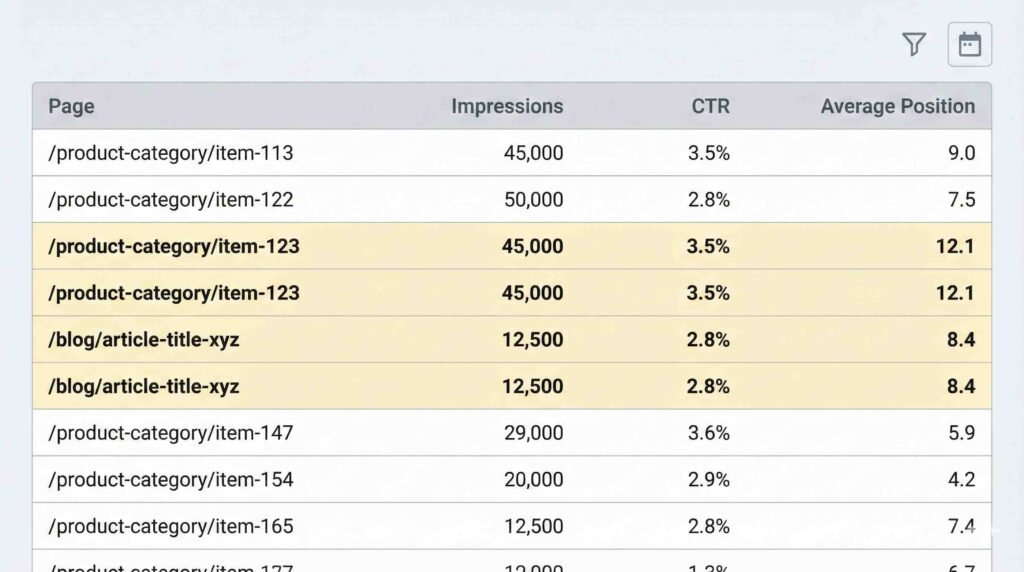
If a page ranks between positions 5 and 15, Google has already decided it is relevant.
You do not need to publish anything new. You need to align better.
What to do
- Open Google Search Console
- Filter pages by:
- Average position between 5 and 15
- High impressions
- Low or average CTR
- Pick one page at a time
Why this works
Google already tested your page and kept it visible.
You are not asking for approval. You are improving an answer Google already accepts.
Common mistake
Creating a new article instead of upgrading the one already ranking.
2) Rewrite Only the First Screen of the Page
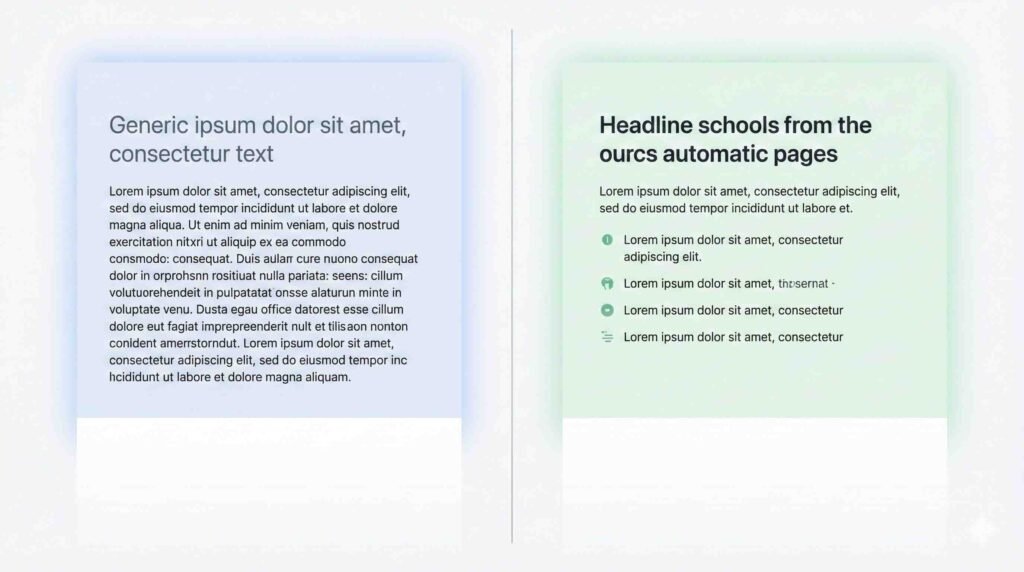
Google and users decide if your content is useful before scrolling.
You do not need to rewrite the entire article.
Optimize only:
- The H1
- The first paragraph
- A short TL;DR or bullet block
Your first paragraph must answer:
- Who this page is for
- What problem it solves
- What result the reader will get
If the user does not understand why your page is better in the first five seconds, rankings stall.
3) Add One Thing Competitors Are Not Saying
You do not need more words.
You need more value.
What actually moves rankings
- Real comparisons and trade-offs
- Clear limits and exclusions
- Practical details competitors avoid mentioning
What does not work
- Generic definitions
- Fluff written for algorithms
- Repeating what every SEO article already says
Simple rule
If a paragraph could exist in another article without changing a word, delete it.
4) Use Internal Links With Intent, Not Decoration
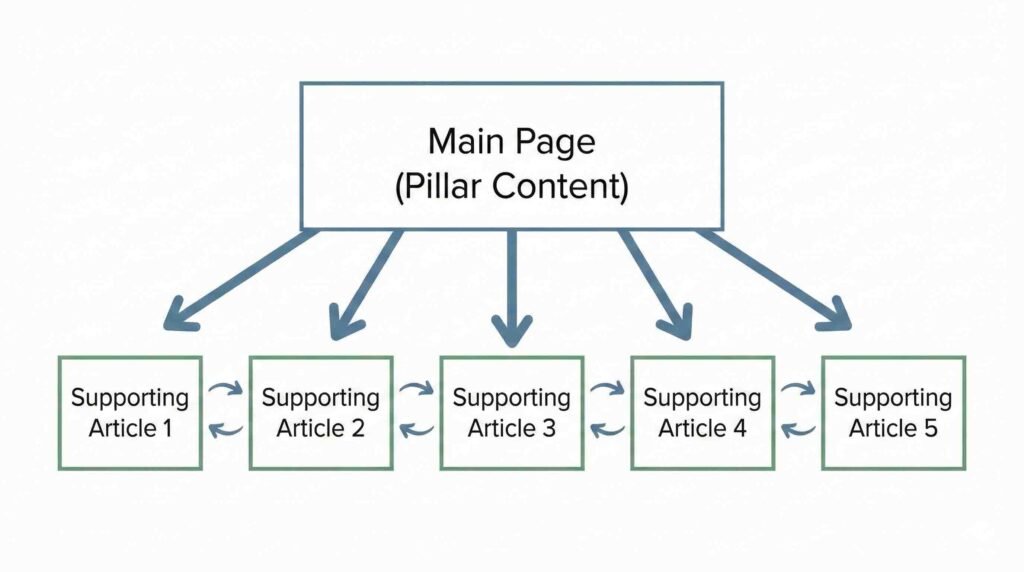
Internal links are signals, not ornaments.
Correct approach
- Supporting articles link to this page
- This page links to specific solutions or comparisons
- Anchors describe intent, not forced keywords
Good anchors
- “See the full comparison”
- “Best option for this scenario”
- “Detailed breakdown here”
This process works because modern SEO strategy in 2026 is no longer about publishing more content, but about strengthening what Google already trusts.
When internal links reflect that logic, Google understands hierarchy and stops internal competition.
5) Optimize Titles and Meta Descriptions for Clicks
Google does not promote pages that do not earn clicks.
Title rules
- Clear benefit
- Specific angle
- Context or year
Bad title:
SEO Guide for Beginners
Good title:
How to Rank Faster on Google Using Existing Pages (No New Content)
Meta description rule
Promise a result. Do not summarize the article.
Change titles first.
Wait 14 to 28 days.
Measure CTR.
Adjust again if needed.
The Exact Order That Produces Faster Results
Most sites fail because they execute in the wrong order.
Correct sequence:
- Find opportunities in Search Console
- Rewrite the first screen
- Add missing value competitors lack
- Fix internal linking intent
- Optimize title and meta for CTR
Do not publish new content until this process is finished.
If you’re not sure what to prioritize in 2026 (so you stop wasting time on the wrong tweaks), read my SEO in 2026 strategy.
The Uncomfortable Truth About Fast SEO
Pages do not rank faster because:
- People publish blindly
- They optimize pages Google already ignores
- They write for algorithms instead of decisions
Fast SEO is not a shortcut.
It is disciplined execution on pages that already have momentum.
Who This Execution Guide Is For
- Websites with existing content
- Pages stuck on page one but not top three
- SEO focused on ROI, not volume
- Teams tired of publishing without movement
If your site already gets impressions, this works.
Final Takeaway
Ranking faster is not about doing more.
It is about executing correctly inside a modern SEO framework.
That is how rankings move without waiting months.
Want to know which pages on your site can rank faster?
I can identify them in minutes and tell you exactly why.